
Shaping the Future of Halal Nutrition: Consumer Trends and Industry Growth
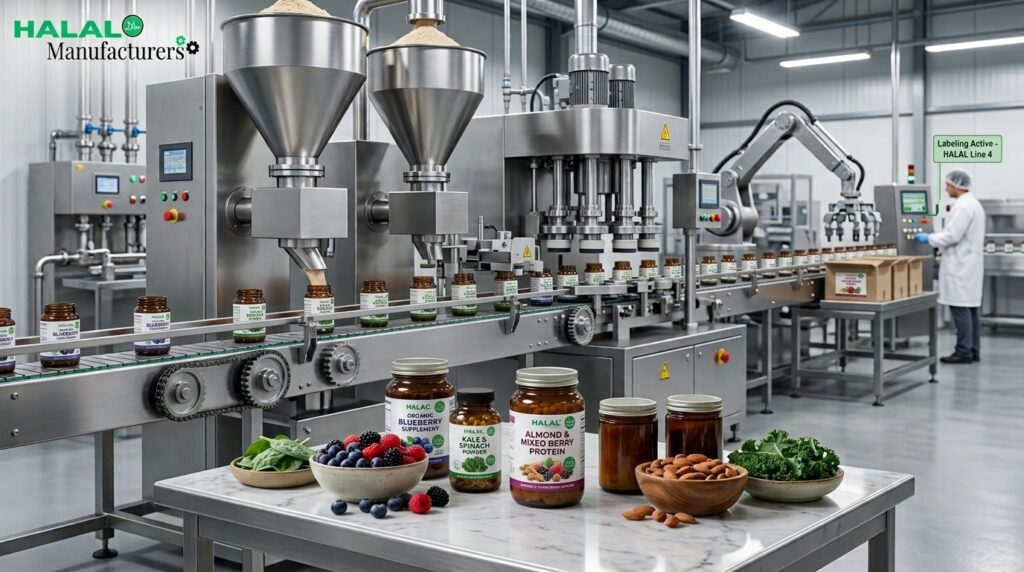
Health and wellness have become important parts of everyday life. Consumers are paying closer attention to the ingredients in their food, nutritional supplements, protein powders, vitamins, and other wellness products. Alongside these changing habits, interest in halal nutrition is growing among consumers and businesses worldwide.
Halal nutrition goes beyond simply choosing food products that meet Islamic dietary requirements. It also involves understanding ingredients, sourcing practices, manufacturing processes, and product quality. For Muslim consumers, these factors can help them make informed decisions about the products they use as part of their daily health routines.
The growing demand for transparent and responsibly manufactured products has created opportunities for nutritional supplement brands, ingredient suppliers, manufacturers, distributors, and retailers. Businesses that understand consumer expectations and maintain clear product information can position themselves to serve this expanding market.
Whether you are a consumer looking for suitable wellness products or a business searching for manufacturers, exploring the halal nutrition industry is a useful starting point.
Understanding Halal Nutrition
Halal nutrition refers to nutritional foods, supplements, and wellness products made with ingredients and processes that comply with applicable halal requirements. Depending on the product, this may include protein powders, vitamins, minerals, dietary supplements, sports nutrition products, and fortified foods.
For a product to meet halal requirements, businesses must consider more than its main ingredients. Other components, including capsules, flavorings, processing aids, enzymes, and additives, may also require careful evaluation.
Manufacturing practices are equally important. Businesses need to assess ingredient sources, production facilities, storage procedures, and the possibility of cross-contamination with non-halal materials.
Halal certification can help provide additional assurance when it is issued by a recognized certification body and applies to the specific product and manufacturing facility.
Common Types of Halal Nutrition Products
The halal nutrition market covers several product categories, including:
- Protein powders: Whey, plant-based, and other protein supplements, depending on their ingredients and processing.
- Vitamins and minerals: Nutritional products designed to supplement everyday dietary intake.
- Sports nutrition: Products such as amino acid supplements, recovery formulas, and pre-workout nutrition.
- Herbal supplements: Products made with botanical ingredients and other components that meet applicable halal requirements.
- Fortified foods and beverages: Foods and drinks containing additional vitamins, minerals, protein, or other nutrients.
- Specialized nutritional products: Formulas developed for particular dietary needs, subject to applicable regulatory and halal requirements.
Businesses and buyers can explore halal nutrition products and manufacturers to discover companies operating in this growing product category.
Why Is Halal Nutrition Becoming More Popular?
Several factors are contributing to increased interest in halal nutrition products. Consumers are becoming more selective about what they eat and use, while businesses are looking for opportunities to serve specialized markets.
Growing Awareness of Ingredients
Consumers increasingly want to understand what goes into their products. Ingredients derived from animals, gelatin used in capsules, enzymes, and certain processing aids may require additional attention when assessing halal suitability.
Clear ingredient information and appropriate documentation can help businesses build trust with customers.
Increasing Focus on Health and Wellness
Many people are paying greater attention to balanced diets, physical activity, and nutritional requirements. This has increased interest in products such as protein powders, vitamins, minerals, and sports nutrition supplements.
For halal-conscious consumers, finding products that align with their dietary requirements is an important part of this decision-making process.
Expanding International Markets
Halal products are relevant to consumers across numerous countries and regions. Manufacturers and suppliers may find opportunities to serve local markets as well as international buyers, depending on their product quality, certifications, pricing, and distribution capabilities.
Businesses looking to expand internationally should also understand the import regulations, labelling requirements, and certification expectations of their target markets.
Demand for Transparency and Trust
Consumers want reliable information about product ingredients, quality, and manufacturing standards. Businesses that communicate clearly and maintain appropriate documentation can strengthen their reputation and improve buyer confidence.
Important Considerations for Halal Nutrition Manufacturers
Manufacturing halal nutritional products requires careful planning. Businesses need to evaluate ingredients, production processes, documentation, and quality control throughout the supply chain.
Ingredient Sourcing and Verification
Ingredient selection is one of the most important steps in developing halal nutrition products. Manufacturers should identify the origin of each ingredient and review the relevant documentation before using it in production.
Particular attention may be needed for:
- Gelatin and capsule materials.
- Enzymes and processing aids.
- Flavorings, emulsifiers, and stabilizers.
- Animal-derived ingredients and their sources.
- Vitamins, minerals, and other specialized ingredients.
- Raw materials supplied by third-party manufacturers.
Supplier declarations and certification documents can support the verification process. However, businesses should check that the documentation is current and applicable to the specific ingredient or product.
Production Practices and Quality Control
Manufacturers should establish procedures that help prevent cross-contamination and maintain product integrity. These may include appropriate storage arrangements, equipment cleaning, production scheduling, and separation of materials where necessary.
Quality control also involves checking product consistency, maintaining batch records, and following relevant food safety and manufacturing requirements.
Good manufacturing practices and halal compliance address related but distinct considerations. Businesses should ensure that they meet both the applicable quality standards and the relevant halal requirements.
Certification and Product Labelling
Halal certification can help businesses demonstrate that a product has been assessed against the requirements of a certification body. The exact requirements depend on the product, ingredients, manufacturing process, target market, and certifying organization.
Manufacturers should ensure that halal claims are accurate and supported by appropriate evidence. Product labels should also comply with applicable rules concerning ingredients, allergens, nutritional information, and other required disclosures.
For businesses entering international markets, it is important to confirm whether their certification is accepted by buyers and authorities in the destination country.
Challenges and Opportunities in the Halal Nutrition Industry
The halal nutrition sector offers opportunities, but businesses must also manage practical challenges.
One challenge is the complexity of ingredient sourcing. A nutritional supplement may contain numerous ingredients obtained from different suppliers, making verification a detailed process. Manufacturers must also consider the origin of capsules, flavorings, and processing aids rather than focusing only on the main active ingredient.
Another challenge is meeting different regulatory and certification expectations across international markets. A product that meets the requirements of one market may need additional documentation, labelling changes, or certification review before being sold elsewhere.
Despite these challenges, the industry presents opportunities for businesses that prioritise quality, transparency, and reliable sourcing.
Potential opportunities include:
- Developing nutritional products for specific consumer needs.
- Expanding plant-based protein and sports nutrition ranges.
- Building relationships with verified ingredient suppliers.
- Working with suitable contract manufacturers.
- Improving product traceability and ingredient documentation.
- Exploring international distribution and private-label manufacturing.
Businesses that understand their target customers and maintain consistent product standards can build stronger foundations for long-term growth.
Future Trends in Halal Nutrition
The halal nutrition market is likely to continue evolving as consumer expectations, product development, and manufacturing technologies change.
Plant-Based Nutrition
Plant-based protein and other plant-derived nutritional ingredients are attracting interest from consumers seeking alternatives to conventional products. Manufacturers must still evaluate the complete formulation, including additives, processing aids, and production methods, to establish halal suitability.
Personalized Nutrition
Some businesses are exploring products designed around individual dietary preferences, fitness goals, and nutritional requirements. This may create opportunities for specialized formulations, although products must be developed and marketed in line with applicable safety and regulatory standards.
Greater Supply Chain Transparency
Digital records, improved traceability, and stronger supplier documentation can help businesses monitor ingredient sources and manufacturing processes. Greater transparency may also help buyers assess suppliers more efficiently.
International Business Connections
As manufacturers explore new markets, connections with distributors, retailers, ingredient suppliers, and contract manufacturers can become increasingly valuable. Business directories and industry platforms can help companies discover potential partners and understand the range of businesses operating in the sector.
Why Choose HalalManufacturers.com?
Finding suitable manufacturers and suppliers can take time, especially when businesses are researching a specialised category such as halal nutrition. Having a dedicated platform to explore relevant companies can make this process more convenient.
HalalManufacturers.com is a business directory designed to help users discover companies across the halal industry.
Discover Manufacturers and Suppliers
Businesses searching for nutritional products, ingredients, or manufacturing partners can begin by exploring relevant company listings. This can help buyers identify potential suppliers for further research and evaluation.
Explore the Halal Nutrition category to discover businesses listed in this product segment.
Explore Different Halal Product Categories
The halal industry includes a broad range of products and services. Exploring different categories can help businesses understand the market, identify relevant companies, and research potential opportunities.
Visit HalalManufacturers.com to explore additional categories across the halal business sector.
Build Potential Business Connections
Manufacturers, distributors, wholesalers, and retailers can use business directories as a starting point for identifying potential partners. Before entering into any commercial arrangement, businesses should independently verify supplier credentials, product specifications, certifications, and commercial terms.
Promote Your Halal Business
Manufacturers and suppliers can also benefit from presenting their businesses clearly to relevant audiences. An accurate company profile, detailed product information, and up-to-date contact details can help prospective buyers understand what a business offers.
If your company operates in the halal nutrition industry, consider exploring the opportunities available through HalalManufacturers.com.
Conclusion
Halal nutrition is an evolving part of the wider health and wellness industry. From protein powders and vitamins to sports nutrition and specialized supplements, the category offers opportunities for manufacturers, suppliers, distributors, and retailers.
Success in this market requires more than product development alone. Businesses need to pay attention to ingredient sourcing, manufacturing practices, quality control, certification, and accurate product information. Understanding the expectations of target markets is equally important when planning future growth.
For consumers and businesses interested in this sector, researching relevant companies and understanding their products is a useful first step. Explore halal nutrition manufacturers and suppliers on our website to discover businesses serving this growing market.
Frequently Asked Questions (FAQs)
What are halal nutrition products?
Halal nutrition products are nutritional foods, supplements, and wellness products made with ingredients and processes that comply with applicable halal requirements. Examples may include protein powders, vitamins, minerals, and sports nutrition supplements.
Are all protein powders and vitamins halal?
No. A product’s halal suitability depends on its ingredients, ingredient sources, processing aids, manufacturing practices, and other relevant factors. Consumers should review product documentation and applicable certification rather than assuming that every protein powder or vitamin is halal.
What should manufacturers check before producing halal supplements?
Manufacturers should review ingredient origins, supplier documentation, capsule materials, processing aids, production facilities, cross-contamination controls, product labelling, and applicable certification requirements.
Where can businesses find halal nutrition manufacturers?
Businesses can begin their search through industry directories such as HalalManufacturers.com. They should independently verify each manufacturer’s capabilities, certifications, product quality, and commercial terms before placing an order.