
How Halal Beverages are Changing the Global Drinks Market
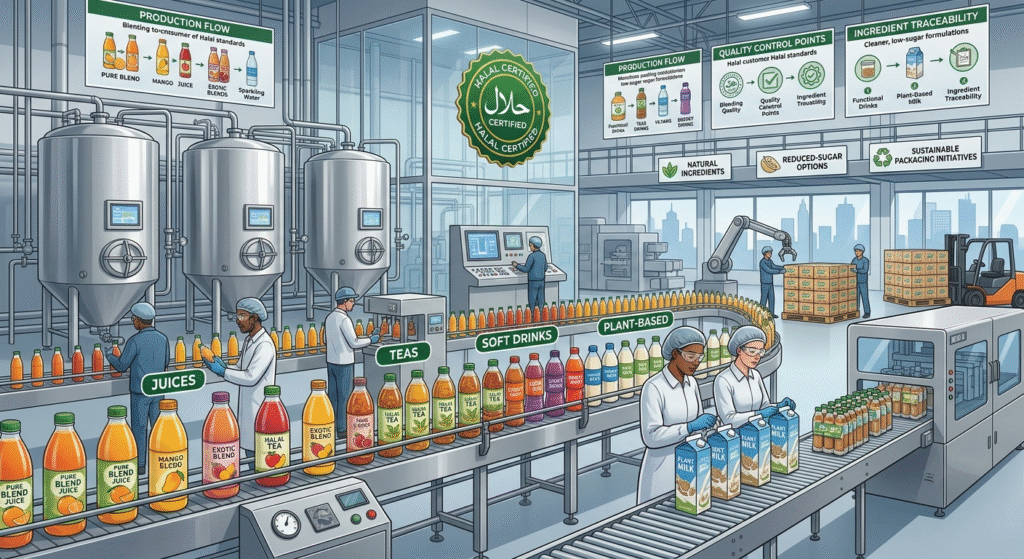
What people drink is changing. Consumers still want beverages that taste good and are convenient, but they also care more about ingredients, sourcing, quality, and how products are made. This growing focus on transparency is helping halal beverages gain attention, as halal certification can give consumers added confidence in what they choose.
Halal beverages are now becoming part of the wider global drinks market, including juices, soft drinks, coffee, tea, dairy, and functional beverages. Better product choices, modern packaging, new flavors, and changing lifestyles are helping manufacturers bring halal-certified drinks to more consumers and markets worldwide.
A Beverage Market That Is Changing with Consumers
Walk into almost any supermarket today and you’ll find more beverage choices than ever. From premium coffee and flavored water to energy drinks, juices, plant-based beverages, and wellness drinks, consumers have plenty of options. With so much choice, people are also paying closer attention to ingredients, nutrition, sourcing, and certifications before buying.
This shift is creating new opportunities for halal beverages. Halal production focuses on approved ingredients and responsible manufacturing practices, while certification can give consumers greater confidence. For manufacturers, this means they can meet the needs of Muslim consumers while also attracting people who value transparency, quality, and trusted food and beverage standards.
So, What Exactly Makes a Beverage Halal?
A halal beverage is made with ingredients and production methods that meet halal requirements. This involves more than simply avoiding alcohol. Manufacturers may need to check flavors, colors, sweeteners, emulsifiers, enzymes, dairy ingredients, and processing aids, along with the sources of those ingredients.
Halal compliance also covers how beverages are handled, processed, stored, and packaged. Good supplier management and quality control are therefore important. Halal certification can provide additional assurance that the ingredients and manufacturing process have been assessed according to the requirements of the relevant certification body.
Why Are More People Paying Attention to Halal Drinks?
The growth of halal beverages is closely linked to rising consumer awareness. People can now easily research ingredients, compare brands, and learn how products are made, creating greater demand for transparency and clear standards.
For Muslim consumers, halal certification helps identify products that meet their dietary requirements. Interest also extends to some non-Muslim consumers who value careful ingredient selection and transparent production. As halal beverages become more widely available in supermarkets, restaurants, hotels, and online stores, manufacturers have more opportunities to bring halal products into mainstream markets.
The Halal Drinks People Are Choosing
The halal beverage category has become much broader than it was in the past. Manufacturers are now creating products for different tastes, lifestyles, and occasions.
Juices and Fruit Drinks
Fruit-based beverages remain a popular choice because they are familiar, refreshing, and available in countless flavors.
Halal beverage manufacturers produce everything from orange and apple juice to mango drinks, mixed fruit beverages, and specialty fruit blends.
At the same time, consumers are showing more interest in reduced-sugar options and drinks made with recognizable ingredients. This gives manufacturers room to experiment with new recipes without moving too far away from flavors people already enjoy.
Tea and Coffee
Tea and coffee are enjoyed in almost every part of the world, making them natural categories for halal beverage brands.
Traditional teas, specialty coffee, instant drinks, flavored beverages, and ready-to-drink products are all creating opportunities for manufacturers.
There is also growing interest in premium coffee and specialty tea. Better-quality ingredients, interesting flavor combinations, attractive packaging, and convenient formats can help brands stand out in a crowded market.
Soft Drinks and Sparkling Beverages
Soft drinks remain popular across many countries, particularly among consumers looking for something refreshing with a meal or during social occasions.
Halal manufacturers produce carbonated drinks, flavored sodas, sparkling beverages, and other soft drinks while paying attention to the ingredients used in their formulas.
New flavors and reduced-sugar choices are also becoming more common as manufacturers respond to changing preferences.
Dairy and Plant-Based Drinks
Milk-based beverages continue to be an important part of the market. Flavored milk, yogurt drinks, and other dairy beverages are popular with consumers of different ages.
At the same time, plant-based drinks are opening another door for halal manufacturers.
Oat, soy, almond, coconut, and other plant-based beverages are becoming increasingly visible in supermarkets. These products can appeal to consumers looking for alternatives to traditional dairy while also creating new opportunities for halal-certified brands.
Functional and Wellness Beverages
The way people think about beverages is also changing. Drinks are no longer chosen only for refreshment.
Many consumers are looking for beverages that fit their lifestyle, whether that means hydration after exercise, an energy boost during a busy day, or products with added nutritional benefits.
This has led to growth in categories such as sports drinks, energy beverages, fortified drinks, functional waters, and other wellness-focused products.
For halal manufacturers, this is an exciting area because new product development can be combined with halal compliance from the beginning.
Why Certification Matters
When buying a food or beverage product, trust matters.
Consumers want to feel comfortable with what they are purchasing, particularly when an ingredient or production method is not immediately obvious from the packaging.
Halal certification gives manufacturers a way to demonstrate that their products have been assessed against relevant halal requirements. For consumers who actively look for halal products, this can make choosing between different brands much easier.
Certification can also be valuable for businesses selling internationally. Importers, distributors, retailers, hotels, and foodservice companies may look for halal-certified products when serving their customers.
However, certification is only one part of building a successful beverage brand. Manufacturers also need to maintain good quality, reliable sourcing, accurate labeling, and consistent production.
A certification logo may attract attention, but a product still needs to taste good and deliver the quality customers expect.
Trends That Are Shaping the Next Generation of Halal Beverages
The halal beverage industry is developing alongside the wider drinks market. Several trends are already influencing what manufacturers put on the shelves.
Less Sugar, More Thoughtful Ingredients
Consumers are becoming more aware of how much sugar they consume. This is encouraging brands to experiment with reduced-sugar beverages and alternative formulations.
Natural flavors and simpler ingredient lists are also attracting attention. The challenge for manufacturers is finding the right balance between a cleaner product and the taste consumers actually want.
Plant-Based Drinks Are Moving Forward
Plant-based beverages have moved from a niche category into many mainstream supermarkets.
Oat, almond, soy, coconut, and other alternatives are giving consumers more choice. For halal manufacturers, this trend provides an opportunity to create products that appeal to both halal consumers and people looking for plant-based options.
Premium Drinks Are Creating New Possibilities
Consumers are also willing to spend more on products that offer something different.
Specialty coffee, premium teas, high-quality juices, unique flavors, and beautifully packaged beverages are examples of products that can attract consumers looking for a more distinctive experience.
Halal certification can become part of that value proposition, particularly when combined with good ingredients and strong product quality.
Sustainable Packaging Is Getting More Attention
The drink inside the bottle is not the only thing consumers are thinking about. Packaging is becoming an important part of the conversation as environmental awareness grows.
Manufacturers are exploring recyclable materials, lighter packaging, and other approaches that can help reduce waste.
For beverage brands, responsible packaging can also strengthen their connection with consumers who care about environmental issues.
Convenience Still Matters
Modern lifestyles are busy, and consumers often want products they can take with them.
Ready-to-drink coffee, tea, juices, functional drinks, and other convenient formats are becoming increasingly popular. Halal manufacturers have an opportunity to combine this convenience with certification, good taste, and modern packaging.
Where the Biggest Opportunities Are
The demand for halal beverages is creating opportunities across different parts of the world.
Countries in Asia and the Middle East have established halal consumer markets, while Africa also offers significant opportunities for food and beverage businesses. At the same time, halal products are becoming increasingly visible in Europe and North America as multicultural populations grow and consumer awareness increases.
For manufacturers, entering these markets requires more than simply putting a halal logo on a product. Businesses need to understand local regulations, certification requirements, consumer tastes, packaging expectations, and distribution channels.
A drink that works well in one country may need a different flavor, package size, or marketing approach in another.
Manufacturers that understand these differences will have a better chance of building products that genuinely connect with local consumers.
New Opportunities for Halal Beverage Manufacturers
The expanding market gives manufacturers plenty of room to innovate.
Established companies can explore new flavors, healthier formulations, plant-based options, functional drinks, and premium products. Smaller businesses can focus on specialized niches and develop products for specific consumer groups.
There are also opportunities for brands that want to enter the market without building their own production facilities.
Working with an experienced halal beverage manufacturer can help businesses with formulation, ingredient sourcing, production, packaging, and certification requirements. This can make it easier for new brands to bring products to market while working with an established production partner.
Platforms such as Halal Manufacturers can also help businesses discover manufacturers and suppliers and explore potential partnerships in the growing halal beverage sector.
What Does the Future Hold for Halal Beverages?
The future of halal beverages looks increasingly diverse.
Consumers will continue to look for products that fit their lifestyles, tastes, and values. This means manufacturers will need to think beyond basic compliance and focus on creating beverages that people genuinely want to buy.
We can expect to see more plant-based drinks, functional beverages, reduced-sugar products, premium teas and coffees, innovative flavors, and convenient ready-to-drink options.
At the same time, transparency and certification will remain important as consumers become more interested in knowing what goes into the products they consume.
The brands that succeed will likely be those that can bring these elements together without losing sight of the most important thing: making a beverage that tastes good and delivers real value to the customer.
Conclusion: A Market Full of New Possibilities
Halal beverages are becoming an important part of the global drinks market. What makes this growth particularly interesting is that the category is evolving at the same time as consumer expectations are changing.
People want more choices, clearer information, better ingredients, convenient products, and brands they can trust. Halal beverage manufacturers are responding by developing everything from traditional juices and teas to plant-based drinks, functional beverages, specialty coffees, and premium products.
For businesses, this creates opportunities to enter new markets, develop innovative products, and build relationships with consumers around the world.
As the industry continues to grow, halal beverages are likely to become more visible on supermarket shelves, in restaurants, hotels, cafes, and online stores.
For manufacturers and brands willing to focus on quality, innovation, certification, and what consumers actually want, the future of halal beverages looks promising.
Through platforms like Halal Manufacturers, businesses can discover halal beverage manufacturers and suppliers, explore new products, and find potential partners to help turn ideas into products for the global market.
Frequently Asked Questions (FAQs)
What are halal beverages?
Halal beverages are drinks made using ingredients and production methods that meet applicable halal requirements. They can include juices, soft drinks, tea, coffee, dairy drinks, plant-based beverages, and functional drinks.
Are halal beverages only for Muslims?
No. Although Muslim consumers are an important market, halal beverages can be enjoyed by anyone. Some consumers are also attracted to halal-certified products because of their focus on ingredient transparency and recognized standards.
What types of halal beverages are available?
Halal beverages include fruit juices, soft drinks, bottled water, tea, coffee, dairy beverages, plant-based drinks, energy drinks, sports drinks, functional beverages, and many other products.
Why is halal certification important for beverage manufacturers?
Halal certification can show consumers and business buyers that a product has been assessed against relevant halal requirements. It can also help manufacturers build trust and enter markets where halal certification is important.
What ingredients are checked when making halal beverages?
Depending on the product, manufacturers may review flavors, colors, sweeteners, emulsifiers, enzymes, dairy ingredients, processing aids, and other additives to determine whether they meet applicable halal requirements.
What trends are shaping the halal beverage market?
Some major trends include reduced-sugar drinks, plant-based beverages, functional and wellness products, premium drinks, sustainable packaging, convenient ready-to-drink formats, and new flavor combinations.
How can businesses find halal beverage manufacturers?
Businesses can use platforms such as Halal Manufacturers to find halal beverage manufacturers and suppliers, explore different product categories, and identify potential sourcing and production partners.