
A New Era for Halal Snacks
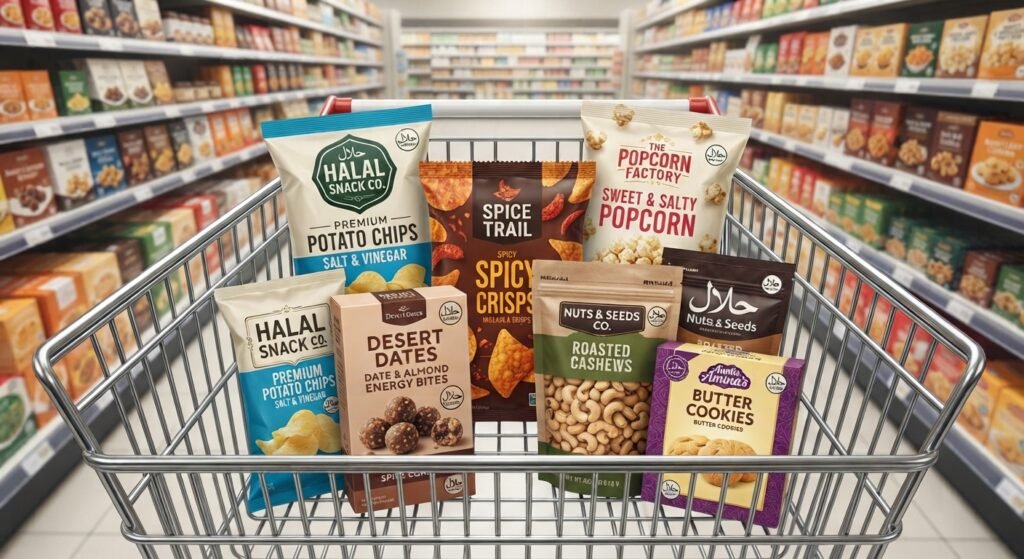
Walk into almost any supermarket and you’ll find shelves full of snacks. From potato chips and biscuits to chocolate bars, popcorn, nuts, and energy bars, snacks have become part of everyday life. People enjoy them at work, while travelling, during family gatherings, or simply when they want something tasty between meals.
But today’s consumers are paying closer attention to what goes into the food they eat. Taste and price still matter, of course, but ingredients, food safety, and religious requirements are also influencing buying decisions. This is one reason halal snacks are attracting more attention in the food industry.
For Muslim consumers, choosing a snack is not always as simple as picking up an attractive packet. They may want to know whether the ingredients, flavorings, processing aids, and manufacturing methods meet halal requirements. At the same time, halal snacks are becoming an interesting category for manufacturers, distributors, retailers, and food brands looking to serve a wider audience.
So, what makes a snack halal, and what should manufacturers understand about this growing product category?
What Makes a Snack Halal?
A snack is not automatically halal just because it contains familiar ingredients such as potatoes, flour, corn, or sugar. The full ingredient list and the way the product is manufactured both matter.
Some ingredients are straightforward. Others may need closer attention. Gelatin, certain emulsifiers, enzymes, flavorings, and food additives can come from different sources. Their halal status depends on how they are obtained and processed.
For example, a biscuit may contain flour, sugar, and vegetable oil, but its shortening, emulsifier, or flavoring may require further checks. Similarly, a packet of flavored chips might contain seasoning ingredients that need to be reviewed before the product can be considered halal.
Manufacturing also plays an important role. Facilities should have suitable procedures to prevent contact with non-halal materials. Ingredient records, supplier information, cleaning procedures, and production controls all help support halal compliance.
In simple terms, halal snack production involves more than choosing the right ingredients. It requires attention throughout the process, from sourcing to packaging.
The Snacks People Love Are Changing
One of the interesting things about the halal snacks category is how many different products it includes. Consumers are not looking for just one type of snack. They want variety, familiar favorites, and new flavors.
Here are some popular product categories:
1. Chips and Crisps
Potato chips, corn chips, and other savory snacks remain familiar favorites. Manufacturers can offer different flavors, textures, and spice levels to appeal to different markets. The seasoning deserves particular attention because flavor blends may contain ingredients that require halal verification.
2. Biscuits and Cookies
Biscuits are enjoyed by people of all ages and are commonly served with tea, coffee, or as a quick snack. Halal biscuit ranges can include plain crackers, cream-filled biscuits, chocolate cookies, and traditional sweet biscuits. Manufacturers should check ingredients such as shortening, emulsifiers, and flavorings.
3. Chocolates and Sweet Snacks
Chocolate is a popular treat, but recipes can vary considerably. Some products contain milk ingredients, fillings, flavorings, or gelatin-based components. Careful ingredient selection and appropriate certification can help consumers make informed choices.
4. Nuts and Seeds
Almonds, cashews, peanuts, pumpkin seeds, and mixed nuts are popular options for people who want something simple and convenient. Although the basic ingredients may be naturally halal, coatings, seasonings, and processing methods still need attention.
5. Dried Fruits and Fruit-Based Snacks
Dried mango, dates, raisins, apricots, and fruit-based snack products offer another choice. These products may have relatively simple ingredient lists, although added coatings, preservatives, and flavorings should still be reviewed.
6. Popcorn and Snack Bars
Popcorn is available in sweet, salty, and flavored varieties. Snack bars, meanwhile, may combine nuts, oats, dried fruit, chocolate, and other ingredients. Both categories offer plenty of room for product development, provided the ingredients and production processes meet the relevant halal requirements.
Why Are Consumers Paying More Attention to Halal Snacks?
Food choices are personal. Some consumers check labels because of religious requirements, while others want clearer information about ingredients and manufacturing.
For Muslim families, having access to a wider range of halal-certified snacks makes everyday shopping easier. Parents may want convenient options for school lunches, families may need suitable products for gatherings, and travellers may prefer packaged snacks they can identify and trust.
There is also a practical side to the demand. People enjoy trying new flavors and products, and halal snack brands can offer everything from traditional recipes to modern snack options.
Good packaging and clear labelling can make a difference, too. When shoppers can easily find ingredient information and relevant halal certification details, they have a better understanding of what they are buying.
For manufacturers, this means halal should not be treated as an afterthought. It needs to be considered when developing the product, selecting suppliers, and planning production.
What Happens Behind the Packaging?
A snack may look simple on the supermarket shelf, but producing it involves several steps. Each one can affect the product’s quality and halal status.
Ingredient sourcing comes first. Manufacturers need reliable suppliers and clear information about the ingredients they purchase. If an ingredient has an animal-derived source or its origin is unclear, further documentation may be necessary.
The recipe needs to be reviewed. A product’s main ingredients are only part of the picture. Minor ingredients, processing aids, flavorings, colorings, and additives should also be considered. Even a small ingredient can affect whether the finished snack meets halal requirements.
Production controls matter. Manufacturers should have procedures for handling ingredients, cleaning equipment, storing materials, and managing production lines. Where facilities handle both halal and non-halal products, suitable controls are particularly important to prevent cross-contact.
Packaging and labelling complete the process. Product information should be accurate and should not give consumers a misleading impression. Any halal logo or certification claim must be used in line with the requirements of the relevant certifying body.
These steps are important not only for compliance but also for building trust. Consumers want to feel confident that the product they are buying matches the information on its packaging.
Opportunities for Halal Snack Manufacturers
The snack category gives manufacturers plenty of room to experiment. There is space for everyday products, premium treats, healthier snack options, and flavours inspired by different food cultures. For example, a brand could develop spicy corn snacks, chocolate-covered nuts, date-based energy bites, or biscuits made with carefully selected halal ingredients. Private-label manufacturing is another opportunity, allowing retailers and food businesses to introduce their own halal snack ranges without building a production facility from the beginning. Working with an experienced manufacturer can help bring these products to market.
However, entering this category takes planning. Companies need to understand local food regulations, packaging requirements, shelf-life expectations, and halal certification procedures in their target markets. A product that meets one market’s requirements may need additional checks before being sold elsewhere. Quality should also remain a priority throughout the process. A halal claim may attract attention, but customers will only return if the snack tastes good, offers consistent quality, and provides value for money.
What Could the Future Hold for Halal Snacks?
The future of halal snacks is likely to involve more variety and greater attention to product information. Consumers are becoming familiar with different snack formats, and manufacturers are finding new ways to combine convenience with flavor. We may see more products made with dates, nuts, seeds, grains, and dried fruits, alongside familiar favorites such as chips, biscuits, and chocolate. There may also be more interest in snacks designed for specific occasions, such as travel, lunchboxes, outdoor activities, and quick breaks during the working day.
Packaging and transparency will continue to matter. Clear ingredient lists, accurate product descriptions, and reliable certification information can help brands build stronger relationships with customers. Innovative flavors, healthier ingredients, and convenient packaging could also shape future product development. For manufacturers, the main opportunity is to create products that people genuinely enjoy while maintaining consistent quality and making halal compliance part of the production process from the beginning.
Find Halal Snack Manufacturers and Suppliers With Us
Finding the right manufacturing or supply partner can take time, particularly when a business is looking for companies that understand halal requirements.
HalalManufacturers.com helps connect people with businesses operating in the halal industry. Whether you are looking for snack brands, packaged food suppliers, or potential business partners, the platform can be a useful starting point.
You can explore the Halal Snack Brands category to discover businesses in this product area. You can also browse Halal Packaged Food Brands for a wider look at packaged food products.
If you want to learn more about the platform and its purpose, visit the About Us page.
Whether you are a manufacturer introducing a new snack, a distributor searching for suppliers, or a business exploring the halal food market, finding the right connections can be an important first step.
Conclusion
Snacks may be small products, but producing them to meet halal requirements involves careful decisions. Ingredients, suppliers, manufacturing practices, packaging, and certification all have a role to play.
As consumers look for more choice and clearer product information, manufacturers have an opportunity to develop halal snacks that combine great taste with confidence and transparency.
For companies already working in the food industry, this category offers plenty of possibilities. And for businesses just getting started, learning about halal sourcing and production is a sensible place to begin.
The goal is straightforward: make snacks people enjoy, be clear about what goes into them, and make sure the production process supports the halal claims being made.
Frequently Asked Questions (FAQs)
1. What are halal snacks?
Halal snacks are food products made using ingredients and manufacturing processes that meet Islamic dietary requirements. They can include chips, biscuits, chocolates, nuts, popcorn, dried fruits, and snack bars.
2. Are all vegetarian snacks halal?
Not necessarily. Although vegetarian snacks do not contain meat, they may still include ingredients such as certain emulsifiers, flavorings, enzymes, or additives that need to be checked. Manufacturing practices also matter.
3. What ingredients should snack manufacturers check?
Manufacturers should review ingredients such as gelatin, emulsifiers, enzymes, flavorings, colorings, shortening, and processing aids. Their source and production method can affect halal status.
4. Why is halal certification important for snack brands?
Halal certification provides assurance that a product has been assessed against the requirements of the relevant certification body. It can help consumers make informed choices and support brands serving halal-conscious markets.
5. Can a snack factory produce both halal and non-halal products?
This depends on the facility, the products involved, and the controls in place. Appropriate procedures for equipment, storage, cleaning, ingredient handling, and production separation may be required. Manufacturers should follow the requirements of their halal certification body.
- 6. Where can I find halal snack manufacturers?
You can explore the Halal Snack Brands on HalalManufacturers.com to find businesses operating in the halal snack category.
