
Sourcing Halal Products from Malaysia: Opportunities and Market Potential
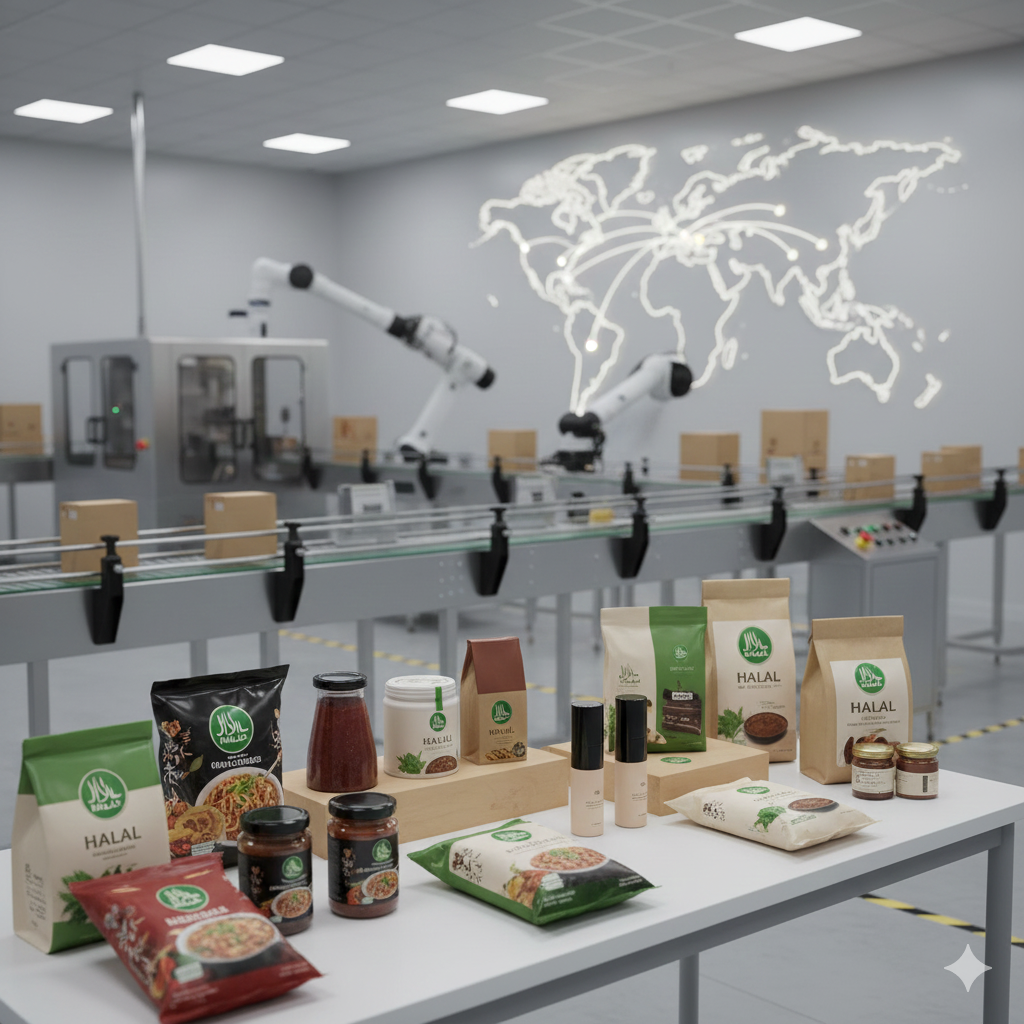
Malaysia has become one of the most trusted names in the global halal industry. For businesses looking to source halal-certified products with confidence, Malaysia offers far more than just compliance. It provides reliability, transparency, innovation, and access to a rapidly growing global halal market. From food and beverages to cosmetics, pharmaceuticals, and ingredients, Malaysian halal manufacturers are well positioned to meet international demand.
This blog explores how businesses can source halal products from Malaysia and why Malaysian halal products continue to gain strong momentum in global markets.
WHY MALAYSIA IS TRUSTED FOR HALAL MANUFACTURING
Malaysia is widely recognized as a reference point for halal standards. Its halal ecosystem is built on strong governance, clear guidelines, and consistent enforcement. This has created a high level of trust among international buyers, retailers, and regulatory authorities.
What truly sets Malaysia apart is the maturity of its halal industry. Manufacturers are not only focused on halal compliance but also on quality, safety, and innovation. Many production facilities operate with modern technology and follow international manufacturing practices, which makes Malaysian halal products competitive in both Muslim and non-Muslim markets.
In addition, Malaysia has developed a diverse halal manufacturing base. Buyers can source processed foods, frozen meals, beverages, supplements, cosmetics, personal care products, and even halal-certified ingredients and packaging. This diversity allows businesses to consolidate sourcing and build long-term partnerships.
HOW TO SOURCE HALAL PRODUCTS FROM MALAYSIA
Sourcing from Malaysia begins with understanding your own market needs. Having clarity on product type, target consumers, packaging preferences, and volume expectations makes the sourcing process smoother and more effective.
Halal certification is the foundation of the sourcing journey. Malaysian manufacturers follow strict halal requirements that cover every stage of production, from raw material selection to processing, storage, and logistics. Working with halal-certified suppliers provides assurance that products meet internationally accepted halal standards.
Quality assurance is another major strength of Malaysian suppliers. Many manufacturers also comply with global certifications such as GMP, HACCP, and ISO. These systems help ensure consistent quality, food safety, and regulatory compliance, which is essential for export-focused businesses.
Private label and OEM manufacturing are widely available in Malaysia. This gives brands the flexibility to create customized products while relying on experienced manufacturers who understand halal requirements. Whether launching a new brand or expanding an existing portfolio, Malaysian suppliers offer scalable solutions that support long-term growth.
Malaysia’s export infrastructure further simplifies sourcing. The country has efficient ports, reliable logistics partners, and extensive experience in international trade. Manufacturers are generally well versed in export documentation, labeling requirements, and destination market regulations, reducing operational risks for buyers.
MARKET SIZE OF MALAYSIAN HALAL PRODUCTS
The global halal market is one of the fastest-growing segments of the world economy, and Malaysia plays a significant role within it. Malaysian halal products are exported to major markets including the Middle East, Southeast Asia, South Asia, Europe, Africa, and China.
The halal industry contributes billions of dollars annually to Malaysia’s economy and continues to expand steadily. Halal food and beverages remain the largest segment, followed by halal ingredients, cosmetics, personal care products, and pharmaceutical items.
One of the key reasons for this growth is the broad appeal of halal products. While halal compliance is essential for Muslim consumers, many non-Muslim buyers also prefer halal-certified products due to their association with cleanliness, ethical sourcing, and strict quality controls. This wider acceptance has helped Malaysian halal products strengthen their position in international markets.
WHAT IS DRIVING GLOBAL DEMAND
Several long-term trends are fueling the demand for halal products from Malaysia. The global Muslim population continues to grow, along with increasing awareness of halal consumption. At the same time, consumers worldwide are paying closer attention to product safety, transparency, and ethical manufacturing.
Government support has also played an important role. Malaysia actively promotes halal trade through international exhibitions, trade missions, and industry development initiatives. Continuous investment in research, innovation, and halal standards has further enhanced the country’s competitiveness.
Digital trade and e-commerce have opened new channels for halal products, allowing Malaysian manufacturers to reach global buyers more efficiently than ever before.
OPPORTUNITIES FOR IMPORTERS AND BRANDS
For importers, distributors, and brand owners, sourcing halal products from Malaysia offers long-term strategic value. Buyers gain access to trusted halal certification, experienced manufacturers, and a wide range of export-ready products.
Malaysian suppliers are known for their flexibility and willingness to adapt products to suit different markets. This includes adjusting formulations, packaging designs, labeling languages, and compliance requirements. Such adaptability makes Malaysia an ideal sourcing partner for both established brands and emerging businesses.
Partnering with Malaysian halal manufacturers also helps businesses build credibility and trust with consumers, especially in halal-conscious markets.
CONCLUSION
Malaysia continues to stand out as a reliable and respected sourcing destination for halal products. Its strong halal governance, advanced manufacturing capabilities, and growing global reach make it an ideal partner for businesses seeking quality, compliance, and scalability.
As the global halal market continues to expand, sourcing from Malaysia offers businesses a clear pathway to sustainable growth and long-term success in international markets.

