
Fake Halal Labels: How to Protect Your Company
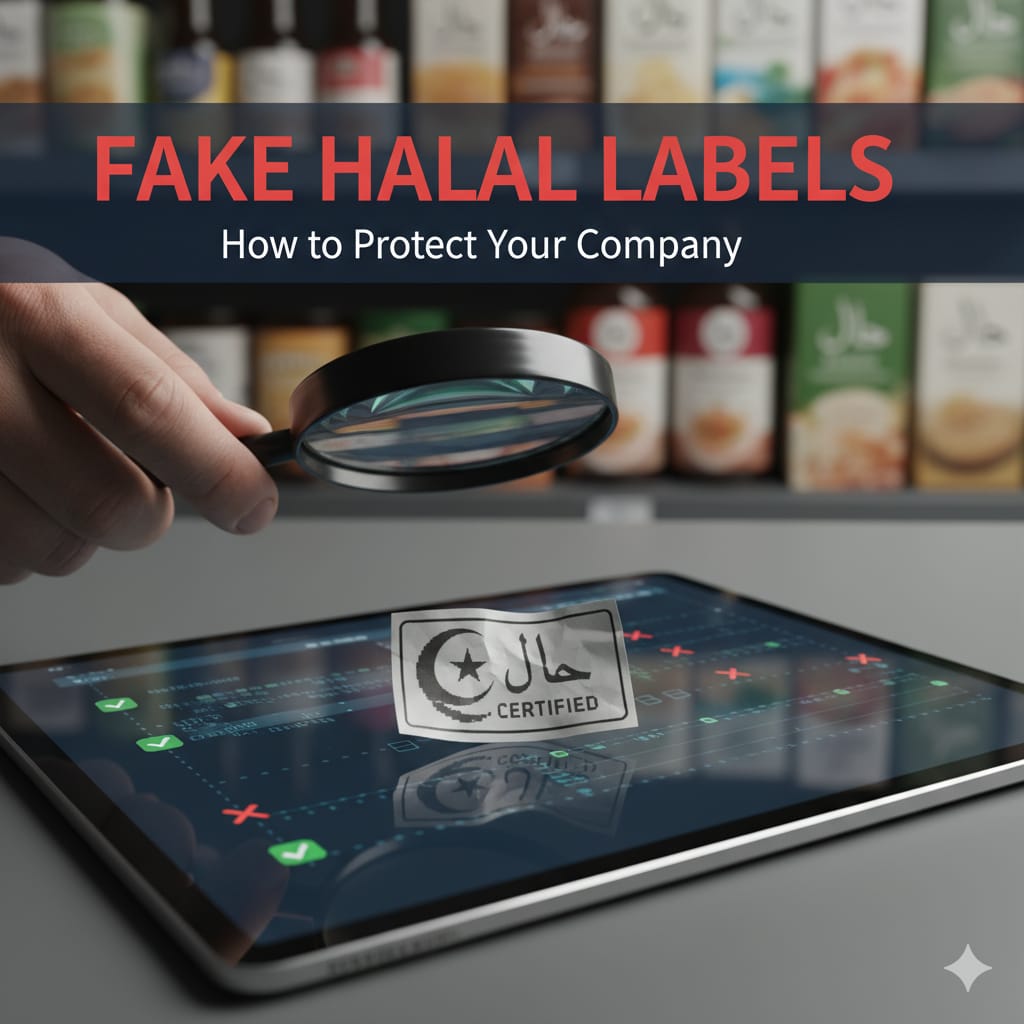
As the global halal industry grows bigger every year, more companies are entering the market with food, cosmetics, supplements, and other products designed for Muslim consumers. Halal certification has become a trusted symbol — a promise that a product is clean, safe, and produced with integrity. But with this rapid growth comes a serious challenge that many businesses are now facing: fake halal labels.
Counterfeit halal logos are quietly making their way into stores and online platforms around the world. These labels mislead customers, hurt brands that follow real halal standards, and create confusion in the market. For businesses that care about reputation, exports, and customer trust, understanding this issue is no longer optional — it’s essential.
THE GROWING PROBLEM OF FAKE HALAL CERTIFICATIONS
Fake halal labels aren’t just appearing on meat products. They’ve been found on snacks, drinks, makeup, skincare, vitamins, and even logistics services. Some of these products have later been revealed to contain ingredients that don’t meet halal standards, leading to recalls and public concern.
When a fake halal product goes viral online, it affects everyone — even the companies that follow halal rules properly. Consumers feel betrayed, retailers lose confidence, and global markets tighten their laws. With the halal industry on track to reach trillions in value, protecting its credibility is more important than ever.
WHY FAKE HALAL LABELS ARE BECOMING MORE COMMON
There are several reasons behind the rise of fake halal labels, and not all of them come from bad intentions.
Many small manufacturers simply don’t understand halal certification well. They may think that adding any “halal-looking” symbol is enough, not realizing there are strict rules. In some regions, halal enforcement is still developing, which makes it easier for dishonest companies to take advantage of weak regulations.
For others, cost is the issue. Genuine halal certification involves audits, inspections, and proper documentation. Some businesses try to cut corners by using unapproved logos to save time and money. And because halal labels strongly influence buying decisions, especially in Muslim-majority countries, some brands use fake symbols hoping they won’t be caught.
HOW FAKE HALAL LABELS CAN HURT YOUR BUSINESS
Even if your company follows halal standards honestly, fake certifications in the market can still affect you.
Customer trust decreases whenever a fake halal scandal appears. Suddenly, even legitimate halal brands face questions. Exporting also becomes harder. Countries like Malaysia, Indonesia, the UAE, and Saudi Arabia have strict halal laws, and any packaging with suspicious logos can be rejected at the border.
Legal consequences are another risk. Some countries issue heavy fines or confiscate products if a company uses unapproved halal symbols. But perhaps the biggest damage is to reputation — once customers doubt your halal integrity, it can take years to rebuild trust.
HOW TO PROTECT YOUR COMPANY FROM HALAL FRAUD
Businesses can take several practical steps to avoid halal issues and strengthen their credibility.
Work Only With Accredited Halal Certification Bodies
Choose certifiers that are officially recognized, especially if your business plans to export. Authorities like JAKIM, MUIS, ESMA, MUI, and SFDA are globally trusted.
Keep Your Supply Chain Transparent
Halal compliance begins with ingredients. Document your suppliers, collect their certificates, and maintain clear records. Transparency makes audits easier and builds confidence with partners.
Train Your Team Regularly
Your employees play a big role in maintaining halal standards. Make sure your staff knows how to avoid cross-contamination, understand ingredient lists, and follow proper handling procedures.
Double-check Your Labels Before Printing
This is one of the simplest ways to avoid problems. Always confirm logo authorization, placement, and format. Using the wrong logo — even by accident — can lead to trouble.
Use Digital Tools To Strengthen Trust
QR codes, digital certificates, and blockchain-based systems help customers verify your halal status instantly. These modern tools help your brand stand out and reduce the chances of fraud.
Conduct Your Own Internal Audits
Don’t wait for external inspectors. Regular checks help ensure consistency and catch issues early.
Consumers And Retailers Also Play A Role
Halal integrity isn’t only the responsibility of manufacturers. Retailers must verify their suppliers and make sure the products they sell are genuinely certified. Consumers can also help by checking certification numbers and reporting suspicious items.
When everyone works together, the entire halal ecosystem becomes stronger.
CONCLUSION
Fake halal labels are a growing challenge in today’s global market, but they also remind us how important honesty and transparency are in halal production. Businesses that stay committed to real halal standards, invest in staff training, and use recognized certification bodies will always stand out.
In a world where customers care deeply about what they consume, protecting your halal integrity is more than compliance — it’s a powerful competitive advantage. Companies that uphold genuine halal practices today will continue to build trust and lead the industry tomorrow.

