
A Closer Look at the Packaged Food Supply Chain
Short Summary
Packaged food has become an essential part of modern life, offering convenience, consistency, and extended shelf life. What appears to be a simple product on a store shelf is, in reality, the result of a carefully structured supply chain that integrates sourcing, processing, packaging, quality assurance, and distribution.
For businesses involved in import, export, retail, or private labeling, understanding this supply chain is critical. It allows better decision-making, reduces risks, and ensures that products meet both consumer expectations and international standards.
Industry Context and Consumer Demand
The demand for packaged food has grown rapidly due to urbanization, changing lifestyles, and increased purchasing power. Consumers today prioritize convenience without compromising on quality or safety. Ready-to-eat meals, packaged snacks, and beverages have become everyday essentials rather than occasional purchases.
At the same time, consumer awareness has also increased. People now pay closer attention to ingredients, nutritional value, and product origin. This shift has pushed manufacturers to be more transparent, innovative, and quality-focused.
As global trade continues to expand, packaged food products are no longer confined to local markets. Brands are reaching international consumers, making compliance, consistency, and supply chain efficiency more important than ever.
Ingredient Sourcing and Quality Assurance
The foundation of any packaged food product lies in its ingredients. Manufacturers invest significant time and effort in sourcing raw materials that meet strict quality and safety standards.
Ingredients may include grains, dairy products, fruits, vegetables, oils, spices, and additives. Each component must be evaluated for purity, consistency, and compliance with regulatory requirements. Suppliers are typically selected after thorough assessments, including audits, certifications, and historical performance reviews.
Traceability is another key aspect. Manufacturers must be able to track ingredients back to their origin to ensure transparency and accountability. This is particularly important for international trade, where regulatory requirements can vary across regions.
A strong sourcing strategy not only ensures product quality but also minimizes risks related to contamination, supply disruption, and non-compliance.
Processing and Product Transformation
Once raw materials are approved, they move into the processing stage, where they are transformed into finished food products. This stage varies depending on the type of product being manufactured.
Processing methods are designed to achieve several objectives, including improving taste, enhancing texture, and extending shelf life. Common techniques include cooking, baking, freezing, drying, and blending.
For example, frozen foods are rapidly cooled to preserve freshness and nutritional value. Snack products may be baked or fried to achieve the desired texture and flavor profile. Dehydrated foods undergo moisture removal to ensure longer shelf stability.
Each process is carefully controlled to maintain consistency and prevent contamination. Temperature, timing, and environmental conditions are closely monitored to ensure that the final product meets predefined quality standards.
Production Consistency and Automation
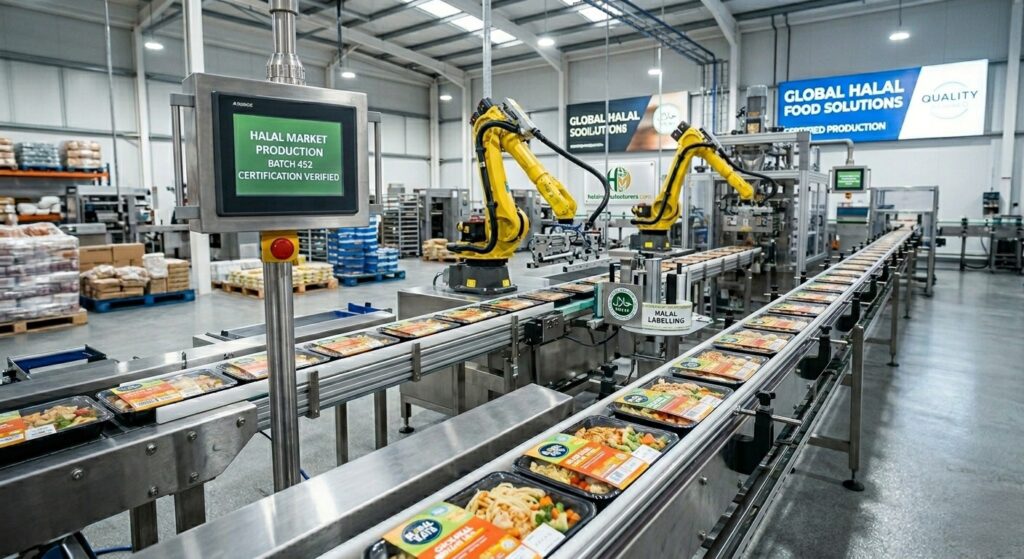
In large-scale packaged food manufacturing, consistency is critical. Consumers expect the same taste, texture, and quality every time they purchase a product. Achieving this level of uniformity requires advanced automation and precision.
Modern production facilities rely on automated systems to measure ingredients, control cooking processes, and manage packaging operations. These systems reduce human error and improve efficiency, allowing manufacturers to produce large volumes without compromising quality.
Automation also supports scalability. As demand increases, manufacturers can expand production while maintaining the same standards. This is particularly important for businesses supplying multiple markets or operating under private-label agreements.
Packaging Systems and Product Protection
Packaging is a vital component of the packaged food supply chain. It serves multiple purposes, including protecting the product, extending shelf life, and enhancing consumer appeal.
Different types of packaging are used depending on the product category. Flexible packaging, such as pouches and wraps, is commonly used for snacks and dry goods. Rigid packaging, including jars and containers, is preferred for liquids and semi-solid products. Vacuum-sealed and modified atmosphere packaging are used to preserve freshness and prevent spoilage.
In addition to protection, packaging plays a key role in branding and communication. Labels provide essential information such as ingredients, nutritional values, expiration dates, and certifications. Attractive design and clear messaging can significantly influence purchasing decisions.
Sustainability has also become a major focus. Many manufacturers are adopting eco-friendly materials and reducing packaging waste to meet consumer expectations and environmental regulations.
Food Safety and Regulatory Compliance
Food safety is one of the most important aspects of packaged food manufacturing. Before products are released into the market, they undergo rigorous quality control procedures to ensure they are safe for consumption.
Testing may include microbiological analysis, chemical testing, and physical inspections. Manufacturers also conduct shelf-life studies to determine how long a product can be stored without compromising quality.
Compliance with international food safety standards is essential, especially for export-oriented businesses. Systems such as HACCP and ISO standards help manufacturers identify potential risks and implement preventive measures.
Accurate labeling is another critical requirement. Products must clearly list ingredients, allergens, nutritional information, and other relevant details to comply with regulatory guidelines and build consumer trust.
Distribution and Supply Chain Efficiency
Once production and packaging are complete, the focus shifts to distribution. This stage involves transporting products from manufacturing facilities to warehouses, retailers, or directly to consumers.
Efficient logistics are essential to maintain product quality and ensure timely delivery. Some products require temperature-controlled transportation, particularly frozen and chilled items. Others need protection from humidity, light, or physical damage.
Inventory management also plays a key role. Businesses must balance supply and demand to avoid shortages or overstocking. Advanced tracking systems help monitor product movement and improve supply chain visibility.
With the growth of e-commerce, distribution channels have expanded. Packaged food products are now delivered directly to consumers, creating new opportunities and challenges for manufacturers and distributors.
Product Categories Within Packaged Foods
The packaged food industry is highly diverse, covering a wide range of product categories. Each category has unique production processes and market dynamics.
Ready-to-eat meals offer convenience and require minimal preparation. Snack products, including chips and biscuits, are designed for quick consumption. Beverages range from juices and soft drinks to plant-based alternatives.
Frozen foods are valued for their long shelf life and preserved quality. Staple food items, such as rice and flour, are essential household products. Health-focused foods, including organic, low-sugar, and high-protein options, are gaining popularity as consumers become more health-conscious.
Understanding these categories helps businesses identify opportunities and target specific market segments effectively.
Market Trends and Industry Developments
The packaged food industry is constantly evolving in response to changing consumer preferences and technological advancements.
Health and wellness have become major drivers of innovation. Consumers are increasingly looking for products with reduced sugar, natural ingredients, and added nutritional benefits. Plant-based alternatives are also gaining traction as more people adopt vegetarian and vegan lifestyles.
Sustainability is another key trend. Companies are investing in eco-friendly packaging, responsible sourcing, and waste reduction initiatives. Transparency has also become important, with consumers expecting clear information about product origins and manufacturing practices.
Digital transformation is reshaping the supply chain as well. Advanced analytics, automation, and smart logistics systems are improving efficiency and enabling better decision-making.
Manufacturer Selection and Strategic Partnerships
For businesses, selecting the right manufacturing partner is a critical decision. A reliable manufacturer ensures product quality, consistency, and timely delivery.
Key factors to consider include production capacity, technical expertise, certification compliance, and experience in handling international orders. Customization capabilities and private-label services are also important for brands looking to differentiate themselves in the market.
Building strong partnerships with manufacturers can lead to long-term benefits, including improved efficiency, cost savings, and access to new markets.
Why HalalManufacturers.com?
HalalManufacturers.com provides a reliable platform for businesses seeking trusted packaged food manufacturers across global markets. It connects buyers with verified suppliers who meet international quality, safety, and halal compliance standards.
The platform simplifies the sourcing process by enabling direct communication, transparent supplier evaluation, and access to a wide range of product categories. This reduces sourcing risks and helps businesses build dependable supply chains.
For importers, distributors, and private-label brands, using HalalManufacturers.com means working with credible partners, ensuring consistent product quality, and expanding confidently into competitive international markets.
Conclusion
The packaged food supply chain is a complex yet highly organized system that transforms raw ingredients into safe, convenient, and market-ready products. Each stage, from sourcing and processing to packaging and distribution, plays a vital role in ensuring quality and consistency.
As consumer expectations continue to evolve, businesses must stay informed and adaptable. By understanding the supply chain and working with reliable partners, companies can strengthen their operations, meet global standards, and achieve sustainable growth in the competitive packaged food industry.
Frequently Asked Questions
Q. Why is packaged food widely consumed?
Because it offers convenience, longer shelf life, and consistent quality.
Q. How do manufacturers ensure food safety?
Through strict quality control systems, testing procedures, and compliance with international standards.
Q. What methods are used to preserve packaged food?
Common methods include freezing, drying, and controlled packaging techniques.
Q. Are there healthier packaged food options available?
Yes, many manufacturers now offer organic, low-sugar, and nutrient-rich products.
Q. What should businesses consider when choosing a manufacturer?
They should evaluate quality standards, certifications, reliability, and production capabilities.
